






While alcohol recovery patches claim to prevent hangovers through transdermal vitamin delivery, there’s no solid scientific evidence supporting their effectiveness. You’ll find mixed user reviews, but clinical research hasn’t validated these products’ ability to address alcohol’s effects on your body. Medical experts remain skeptical due to limited peer-reviewed studies and unproven absorption mechanisms. If you’re seeking hangover prevention, established methods like proper hydration and balanced nutrition offer more reliable solutions. Understanding the complete picture can help you make an informed choice.
The Science Behind Recovery Patches

Three key scientific considerations cast doubt on alcohol recovery patches: limited clinical research, uncertain transdermal delivery mechanisms, and unproven nutrient absorption claims.
While your body does need vitamin replenishment after drinking, current evidence doesn’t support patches as an effective delivery method. Ingredients like Vitamin B1 and B12 have shown potential in reducing hangover severity, but delivery remains questionable. Recent studies show that transdermal nicotine patches can actually decrease alcohol cravings and delay drinking initiation. The primary nutritional absorption challenges stem from the skin’s natural barriers, which aren’t designed to efficiently absorb large vitamin molecules. You’ll find topical application constraints that don’t exist with oral supplements, as your digestive system remains the ideal channel for nutrient processing. A significant concern is that patches fail to address the diuretic effects of alcohol consumption.
Despite marketing claims, no clinical trials validate that patches can effectively restore vitamins depleted by alcohol. The success of pharmaceutical patches like nicotine or naltrexone doesn’t translate to vitamin delivery, as these substances have different molecular properties and absorption mechanisms.
Key Ingredients and Their Claimed Benefits
Modern alcohol recovery patches typically contain a blend of B vitamins, antioxidants, and stimulant compounds designed to combat post-drinking symptoms. You’ll find B-complex vitamins (B1, B2, B3, B6, B9, B12) that support brain function and energy production, while antioxidants like glutathione and NAC aid liver detoxification processes. One popular patch brand recommends applying it 45 minutes before drinking to maximize effectiveness. The transparent patches are 32 x 32 millimetres in size, making them discreet and comfortable to wear.
The ingredient effectiveness varies among users, but key components often include milk thistle for liver protection and guarana extract for heightened alertness. These patches deliver nutrients transdermally, bypassing the digestive system for sustained absorption over 24 hours. L-Glutamine amino acid helps reduce fatigue and supports tissue repair during recovery. While individual responses differ, the combination of vitamins A, D, E, and K, along with botanical extracts like acai berry, aims to support your body’s natural recovery mechanisms through steady nutrient delivery and metabolic backing.
Clinical Research and Evidence
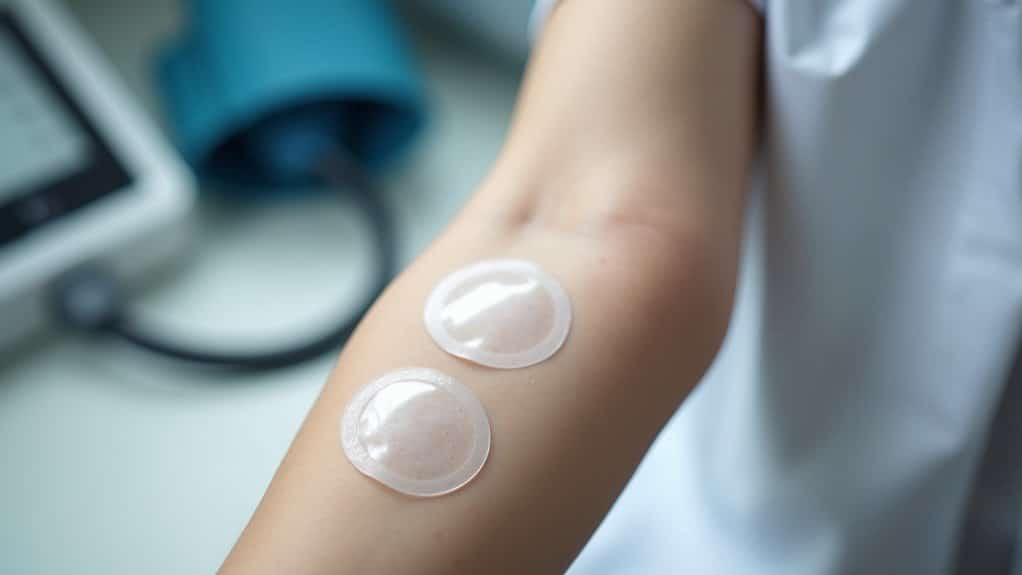
While the ingredients in alcohol recovery patches sound promising, clinical research paints a different picture. Scientific studies on these patches remain limited, with virtually no peer-reviewed trials demonstrating their effectiveness. You won’t find powerful evidence that they can deliver clinically significant doses of nutrients through your skin to prevent or treat hangovers. Smokers and alcoholics should note that nicotine patch therapy is actually highly effective for those in long-term sobriety. However, research has shown that naltrexone blocks opioids when properly administered through FDA-approved methods.
In the current regulatory terrain, no alcohol recovery patches have received approval as medical treatments due to insufficient clinical data. Evidence-based recommendations from the medical community continue to favor established treatments like oral naltrexone and acamprosate for alcohol recovery. While transdermal delivery has proven effective for certain medications like nicotine patches, most vitamins and antioxidants in hangover patches lack proof of adequate skin absorption for meaningful hangover relief.
User Reviews and Real-World Results
Real-world experiences with alcohol recovery patches reveal a complex mix of user reactions, from glowing testimonials about reduced hangover symptoms to skeptical accounts questioning their effectiveness. You’ll find that personal anecdotes and initial accounts often differ from marketing claims, with many users emphasizing the patches’ variable results depending on individual factors and drinking habits. Current data shows that 85% of reviews are positive from customers who have tried these recovery patches. The patches utilize transdermal technology to deliver vitamins and nutrients directly through the skin into the bloodstream. These patches are typically worn for up to 24 hours while gradually releasing their active ingredients. While some users swear by these patches as part of their drinking routine, others maintain that traditional remedies like hydration and rest remain more reliable, suggesting you’ll need to evaluate their effectiveness for yourself rather than relying solely on online reviews.
Mixed Experiences Online
Despite widespread marketing claims about alcohol recovery patches, online user experiences reveal a complex and inconsistent picture of their effectiveness. You’ll find sharply divided opinions across review platforms, with some users reporting considerable symptom relief while others cite complete product limitations. These inconsistent testimonials make it challenging to draw definitive conclusions about patch efficacy.
When you investigate consumer feedback, you’ll notice patterns emerge. Positive reviews often focus on mild symptom improvement, while negative responses highlight the patches’ inability to address severe hangover effects like intense headaches or nausea. Recent research shows that herbal extracts like Acanthopanax senticosus have demonstrated more promising results for hangover symptom relief. Since patches are not FDA-evaluated for medical claims, their marketing statements should be viewed with caution. It’s worth noting that many reported benefits may stem from placebo effects, as there’s limited scientific evidence supporting transdermal delivery of hangover-fighting nutrients. Application timing and individual physiology also appear to influence user satisfaction considerably.
Personal Stories Matter Most
When examining alcohol recovery patches, individual user experiences provide the most compelling insights into real-world effectiveness. User testimonials consistently show varied results, with some reporting reduced headaches and fatigue while others experience no benefits. These real-world scenarios demonstrate that effectiveness often depends on factors like alcohol consumption levels, body weight, and personal metabolism. Research indicates the effectiveness of alcohol flush patches remains limited and requires more human studies.
While some users report success with symptom management, particularly for light to moderate drinking, patches appear less effective for heavy consumption. Many find patches convenient but acknowledge they work best when combined with traditional remedies like hydration and rest. It’s essential to recognize that personal stories overwhelmingly emphasize these patches aren’t a solution for excessive drinking, and they shouldn’t replace responsible alcohol consumption habits or established hangover management strategies.
Beyond Marketing Claims
Marketing claims for alcohol recovery patches often paint an overly optimistic picture that diverges sharply from documented user experiences and clinical evidence. When you examine real-world results, you’ll find inconsistent feedback and limited consumer brand loyalty, suggesting the hangover patch cost benefit isn’t clearly established.
- Online reviews remain deeply divided, with positive responses potentially stemming from placebo effects rather than actual physiological benefits
- Users consistently report that patches don’t outperform traditional recovery methods like hydration and rest
- Leading brands like Bytox and RallyPatch show no clear superiority in user satisfaction metrics
- Most positive testimonials lack correlation with measurable symptom improvements, particularly for common complaints like headache and nausea
The disconnect between marketing promises and actual user experiences underscores the need for more rigorous clinical validation.
How Recovery Patches Compare to Alternatives
Although recovery patches have gained popularity in recent years, clinical evidence suggests they’re no more effective than traditional alternatives for managing alcohol-related symptoms.
When comparing oral supplement effectiveness, studies show no significant advantage of patches over pills for hangover prevention. In fact, oral supplements demonstrate better-established bioavailability profiles for addressing nutritional deficiencies caused by alcohol consumption. For medically-supervised treatment, naltrexone patches offer more promising results than vitamin-based alternatives, particularly for alcohol dependence.
Your most reliable hangover prevention strategies remain straightforward: proper hydration, balanced meals while drinking, and adequate rest. While some herbal remedies like Korean pear juice and red ginseng show limited benefits for specific symptoms, no single solution, patch or otherwise, effectively addresses all alcohol-related discomfort. Medical professionals typically recommend combining multiple approaches rather than relying on any single intervention.
Understanding the Transdermal Delivery System
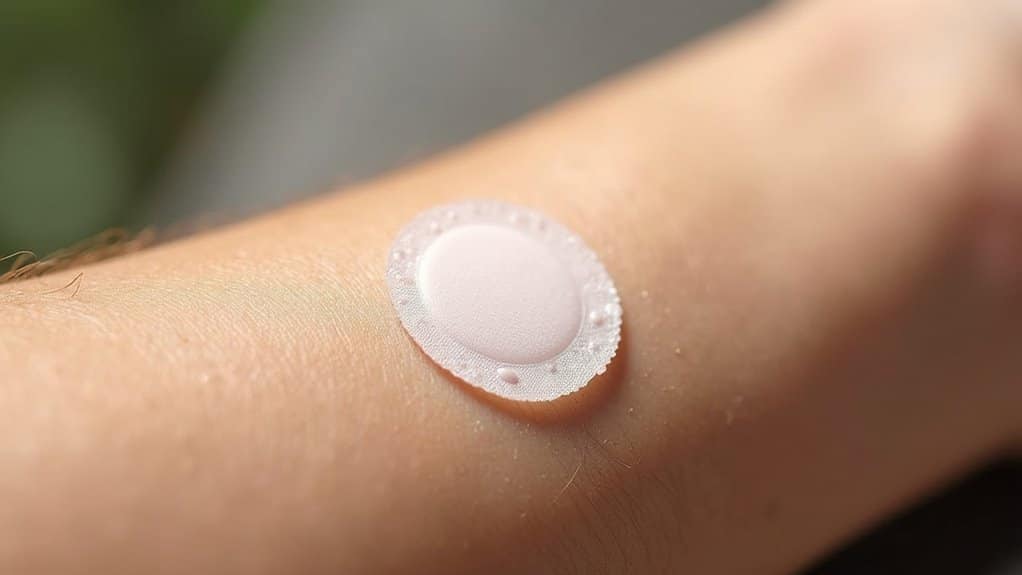
The science behind transdermal alcohol patches centers on a sophisticated delivery system that interacts directly with your skin’s biological pathways. The technology monitors alcohol excretion through your skin after drinking, utilizing electrochemical sensors to measure alcohol content in your perspiration. The electrochemical fuel cell generates an electrical signal proportional to detected alcohol molecules.
Advanced transdermal patches interact with skin biology to monitor alcohol levels through specialized sensors that measure perspiration content.
- Your skin’s permeability factors determine how effectively the patch operates through three main routes: trans-appendageal (through sweat glands), transcellular (through skin cells), and intercellular (between cells)
- Modern transdermal alcohol detection capabilities allow sampling as frequently as every 20 seconds
- The polymer matrix backbone of the patch guarantees consistent contact with your skin while regulating analyte collection
- While there’s typically a 30-60 minute lag between blood alcohol peaks and skin detection, these systems provide reliable continuous monitoring for tracking your alcohol levels
Medical Expert Opinions and Consensus
Medical professionals remain highly skeptical about alcohol recovery patches, citing a critical lack of peer-reviewed research to support manufacturers’ claims of effectiveness. You’ll find that leading healthcare providers, including Dr. Diane McCallister, emphasize these patches primarily contain basic vitamins like B12 and thiamine, with no proven scientific mechanism for hangover prevention or treatment. While the patches are generally considered physically safe to use, experts consistently recommend proven hangover prevention methods such as moderation and hydration rather than relying on unverified patch interventions.
Professional Healthcare Provider Views
Professional healthcare providers have reached a clear consensus regarding alcohol recovery patches: current scientific evidence does not support their efficacy. Without key certification standards or reliable dosage recommendations, medical professionals advise against relying on these products for alcohol recovery or hangover prevention.
- You’ll find no endorsement from recognized medical societies, as clinical trials haven’t validated the patches’ mechanisms or outcomes
- Your healthcare provider likely won’t recommend these patches, as transdermal vitamin absorption remains largely unproven
- You should know that any perceived benefits are typically attributed to placebo effects rather than actual physiological changes
- You’re better off following evidence-based approaches, including proper hydration and moderation, rather than depending on unproven remedies
Healthcare providers emphasize that these patches aren’t substitutes for responsible drinking habits or professional addiction treatment.
Safety and Effectiveness Debate
Current expert debates surrounding alcohol recovery patches reveal a stark divide between consumer interest and scientific validation. While these products claim to ease hangover symptoms, clinical research hasn’t established their effectiveness through rigorous peer-reviewed studies.
Medical professionals point to significant regulatory oversight concerns, as most patches lack standardized testing protocols and long-term safety data. Product quality inconsistencies among manufacturers further complicate evaluation of their therapeutic value. Though patches contain vitamins B1, B12, and C, there’s no concrete evidence that transdermal delivery achieves necessary blood concentrations for hangover relief.
You’ll find that while these patches present minimal risks compared to oral supplements, their actual benefits remain scientifically unproven. The current consensus suggests that perceived improvements may largely stem from placebo effects rather than verified therapeutic action.
Safety Considerations and Side Effects
While alcohol recovery patches may seem like a convenient treatment option, they carry several critical safety risks that require careful consideration. You should know that using these patches alongside alcohol or other central nervous system depressants can lead to severe impairment risks and potentially fatal complications. Critical toxicity events may include respiratory depression, irregular heartbeat, and severe neurological symptoms.
Alcohol recovery patches pose serious risks when combined with other depressants, potentially causing life-threatening respiratory and cardiac complications.
- You’ll need to monitor for skin reactions like rashes, blistering, or swelling at the patch site
- You’re at higher risk for overdose if you have a fever or expose the patch to excessive heat
- You shouldn’t drive or operate machinery while using these patches due to coordination issues
- You must inform healthcare providers about patch use before any medical procedures or new medications
Best Practices for Hangover Prevention
Three key strategies form the foundation of effective hangover prevention: proper hydration, strategic alcohol consumption, and optimized rest.
You’ll want to implement improved hydration strategies by consuming water before, during, and after drinking, while incorporating electrolyte-rich sports drinks. Alternate alcoholic beverages with water, and avoid caffeine, which can worsen dehydration. Eat a balanced meal containing fats and proteins before drinking to slow alcohol absorption.
While proactive supplement regimens like vitamin B or Korean pear juice show mixed results, you’re better off focusing on proven prevention methods. Choose lighter-colored alcoholic beverages over darker ones to reduce congener intake. Drink slowly and get adequate sleep, as alcohol disrupts normal sleep patterns. Create a quiet, dark environment to enhance post-drinking rest quality.
Frequently Asked Questions
How Long Should I Wear the Patch Before Drinking Alcohol?
You should apply the patch about one hour before you start drinking, though this timing lacks effective scientific validation. While manufacturers commonly recommend this patch application duration, there’s no clinical proof it’s ideal. If you choose to use these patches, remember they’re not a proven solution for preventing hangovers, and appropriate alcohol consumption remains your best defense against next-day symptoms.
Can I Shower or Swim While Wearing an Alcohol Recovery Patch?
You can take brief showers while wearing alcohol recovery patches, but you should avoid swimming or extended water exposure. For ideal patch durability, don’t scrub directly over the patch area and pat dry gently afterward. Most manufacturers recommend patch placement on clean, dry, hairless skin away from areas that get very wet. If your patch loosens or falls off after water exposure, you’ll need to apply a new one.
Where on the Body Should the Patch Be Placed for Best Results?
For effective application location, situate the patch on a clean, hairless region of your upper arm, shoulder, or back where there’s minimal motion and friction. You’ll want to avoid areas with damaged skin, mucous membranes, or excessive perspiration. While ideal placement duration varies by product, most patches are designed for 8-12 hours of wear. However, bear in mind that regardless of placement, scientific evidence doesn’t validate these patches’ efficacy for alcohol recovery.
Do Patches Work Differently for Different Types of Alcoholic Drinks?
You won’t see different patch potency factors based on whether you drink beer, wine, or spirits. Research shows that alcohol type effects don’t influence how recovery patches work in your body. What matters most is the total amount of alcohol you’ve consumed and your individual metabolism. While patches may help with general hangover symptoms, their effectiveness isn’t tied to specific drink types, they work (or don’t work) the same way regardless.
Can I Stack Multiple Patches at Once for Stronger Effects?
You shouldn’t stack multiple alcohol recovery patches, as there’s no scientific evidence supporting increased efficacy through this practice. In fact, you’re exposing yourself to increased dosage risks, including potential skin irritation and allergic reactions from multiple adhesives. The potential misuse dangers of stacking patches outweigh any perceived benefits. Since these products aren’t regulated or clinically tested for combined use, you’re better off using a single patch as directed.