






For ideal post-alcohol recovery, you’ll want to focus on electrolyte-rich beverages that combat dehydration and support detoxification. Sports drinks containing 200-700mg sodium per serving, Korean pear juice with bioactive polyphenols, and coconut water enhanced with sea salt provide science-backed rehydration benefits. Probiotic-enriched recovery drinks can reduce hangover symptoms by up to 50% through targeted enzyme production. Strategic timing and proper drink selection can optimize your body’s natural recovery processes.
The Science Behind Alcohol’s Impact on Hydration
While many people understand that alcohol causes dehydration, the underlying mechanism involves a complex disruption of the body’s water regulation system. When you consume alcohol, it inhibits your antidiuretic hormone (vasopressin), triggering increased urine production regardless of your hydration status.
This osmotic balance disruption leads to significant water loss as your kidneys reduce water reabsorption. Similar to how stepwise mechanisms occur in complex dehydration reactions, alcohol’s effects on cellular hydration follow multiple distinct stages. The cellular dehydration effects impact multiple organs, particularly your central nervous system. Your body’s fluid loss comes from both intracellular and extracellular compartments, raising plasma osmotic pressure. Symptoms like headache and fatigue commonly result from this dehydration during a hangover. Similar to hydrothermal dehydration, alcohol’s interaction with water molecules in the body occurs without requiring additional chemical catalysts. As alcohol metabolizes into acetaldehyde and acetate, it causes vasodilation, potentially worsening dehydration through increased heat loss. Your body’s water balance may remain negative for several hours after drinking, even after your blood alcohol concentration returns to normal.
Essential Electrolytes and Sports Drinks for Recovery
Understanding alcohol’s dehydrating effects leads us to investigate targeted recovery solutions through electrolyte-rich beverages. Research shows that sports drinks with ideal mineral content comparison offer superior rehydration efficacy data compared to water alone. You’ll need specific electrolytes in precise amounts to restore your body’s balance. These specialized beverages can support cardiovascular health while maintaining proper electrolyte balance. Since alcohol acts as a strong diuretic, increasing fluid loss through frequent urination, proper electrolyte replacement becomes crucial. Building a mindful drinking practice through digital tracking tools can help optimize your recovery strategy and prevent future dehydration issues.
Sports drinks containing precise mineral ratios outperform water alone for rehydrating after alcohol, making them essential for targeted recovery.
- Choose drinks containing 200-700mg sodium per serving to boost fluid retention
- Look for balanced potassium content to prevent muscle cramps and support recovery
- Guarantee magnesium presence to reduce hangover headaches and restore nerve function
- Select products with minimal added sugars to avoid worsening dehydration
Leading options like LMNT and Pedialyte demonstrate evidence-based mineral profiles that effectively combat alcohol-induced dehydration. You can heighten recovery by timing your intake strategically: before drinking, before bed, and immediately upon waking.
Natural Recovery Solutions: Korean Pear and Coconut Water
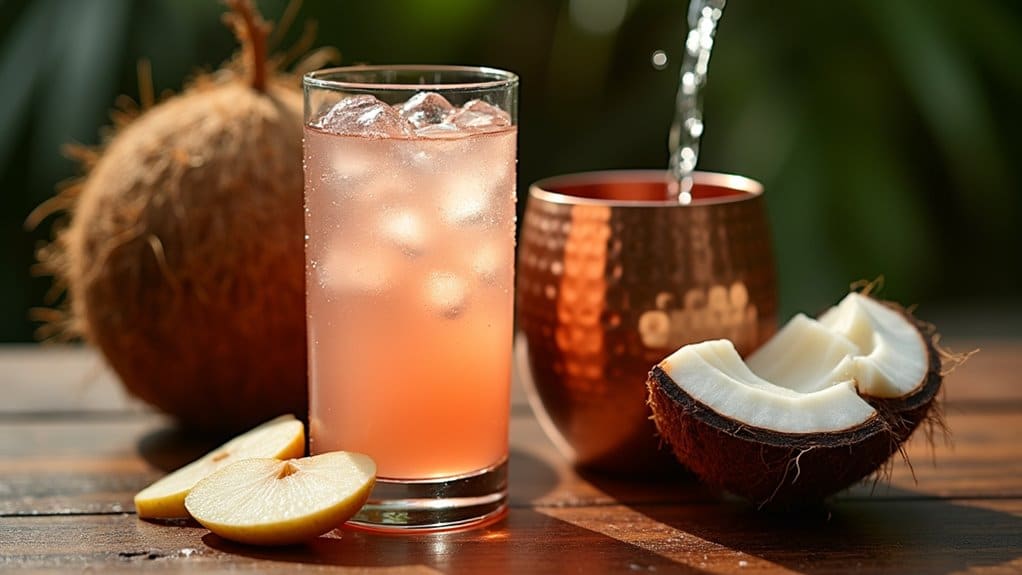
Natural recovery solutions have gained scientific validation, with Korean pear and coconut water emerging as evidence-based alternatives for post-alcohol recovery. Korean pear’s bioactive polyphenols reduce hangover severity by 16-21%, while supporting oxidative stress reduction through boosted enzyme activity. Your genetic influences, particularly ALDH2 variations, can affect how well you’ll respond to these remedies. The Hovenia Dulcis extract in Korean pear tonics has been scientifically proven to detoxify the liver. The accumulation of acetaldehyde toxins during alcohol metabolism contributes significantly to hangover symptoms and discomfort. The effectiveness of Korean pear extract has been demonstrated through studies showing enhanced enzyme activity by 2-3 fold in breaking down alcohol.
| Property | Korean Pear | Coconut Water |
|---|---|---|
| Primary Benefit | Enzyme activation | Electrolyte balance |
| Key Components | Polyphenols | Potassium, magnesium |
| Timing | Pre-drinking | Post-drinking |
| Best Format | 87% juice blend | Pure, with added salt |
You’ll find coconut water particularly effective for morning-after hydration, especially when amplified with sea salt. While Korean pear works best as a preventive measure, delivering 268 kJ energy per 100ml serving, coconut water excels at replenishing minerals lost through alcohol-induced diuresis.
Premium Recovery Drinks With Probiotic Benefits
Premium recovery drinks now incorporate advanced probiotic technologies, like Bacillus subtilis ZB183™, which actively break down acetaldehyde in your gut after alcohol consumption. You’ll find these specialized formulations contain evidence-backed strains such as Lactobacillus plantarum and Bifidobacterium bifidum, which restore beneficial gut bacteria depleted by alcohol use. Clinical studies show that these engineered probiotics can accelerate your physical recovery while supporting liver function and reducing inflammation throughout your system. These targeted probiotic formulations are especially important since gut flora alterations occur frequently in alcoholics and can contribute to liver disease progression. Taking these drinks several hours before alcohol consumption provides optimal benefits since proper timing allows probiotics to establish themselves in your digestive system. The probiotic strains are specifically engineered to digest acetaldehyde that builds up in the digestive tract during alcohol consumption.
Probiotic Enzyme Technology Advances
- Engineered probiotics produce enzymes that break down acetaldehyde, the primary toxin responsible for post-drinking discomfort
- Novel strains accelerate alcohol degradation in the gut while improving tolerance and recovery time
- Despite regulatory environment challenges, these products are available as food supplements rather than drugs
- Clinical research shows promising results in reducing both hangover symptoms and potential organ damage
You’ll find these science-backed solutions particularly effective because they work directly in your gut, where traditional liver-focused treatments can’t reach. This targeted approach represents a significant breakthrough in post-alcohol recovery supplementation. The latest studies demonstrate that L. lactis probiotics can be safely engineered to deliver therapeutic molecules that help process alcohol more efficiently. Studies showed mice receiving these specialized probiotics experienced faster blood alcohol clearance within two hours of alcohol consumption. The product must be consumed before or during drinking to achieve optimal effectiveness in breaking down harmful compounds.
Enhanced Gut Recovery Solutions
Advanced probiotic recovery drinks represent a significant breakthrough in post-alcohol gut restoration, combining targeted bacterial strains with engineered enzyme technologies. These formulations harness genetically engineered probiotics specifically designed to metabolize alcohol byproducts while restoring beneficial gut bacteria.
You’ll find premium recovery beverages containing key strains like Lactobacillus rhamnosus GG and Bifidobacterium bifidum, which clinical studies show can normalize liver enzymes and reduce inflammation within days. Advanced strain selection focuses on bacteria proven to strengthen intestinal barriers and diminish alcohol cravings. These specialized drinks help restore Lachnospiraceae and Ruminococcaceae populations, improving gut microbiota diversity and supporting your recovery process.
The latest formulations incorporate enhanced delivery systems that guarantee probiotics survive and colonize effectively, maximizing their therapeutic benefits for your post-alcohol gut health.
Vitamin-Enhanced Beverages for Post-Alcohol Wellness

When you’re seeking post-alcohol recovery support, vitamin-enhanced beverages can deliver vital B-complex vitamins that aid liver function and reduce withdrawal symptoms. You’ll find specialized drinks combining electrolytes with vitamins C, D, and E to combat oxidative stress and support cellular repair. Recovery-focused nutrient combinations often include targeted ratios of B vitamins, antioxidants, and minerals that work synergistically to restore balance and promote faster recovery.
B-Complex Recovery Solutions
B-complex vitamins play a critical role in post-alcohol recovery by addressing essential deficiencies and supporting indispensable metabolic functions. You’ll find these vitamins particularly effective in restoring neurological health, providing amino acid support, and delivering oxidative stress relief after drinking.
- B1 (thiamine), B6, B9 (folate), and B12 work together to support your liver detoxification and prevent serious neurological complications like Wernicke-Korsakoff syndrome.
- Your body’s energy production and mood stabilization improve through B-vitamin aided carbohydrate metabolism and neurotransmitter synthesis.
- B-complex helps normalize methionine metabolism, pivotal for protecting your liver from alcohol-induced damage.
- Look for recovery drinks containing bioavailable forms of B-vitamins, as they’re better absorbed when your system is compromised by alcohol consumption.
These research-backed solutions can substantially enhance your post-alcohol recovery process.
Electrolyte Vitamin Blends
Properly formulated electrolyte-vitamin blends pack a powerful recovery punch by addressing multiple post-alcohol deficiencies simultaneously. These specialized formulations combine essential minerals like sodium, potassium, and magnesium with targeted vitamins to support improved detoxification mechanisms and restore ideal cellular function.
Through advanced mineral chelation, these blends enhance your body’s ability to absorb and retain indispensable nutrients. Vitamin C works synergistically with electrolytes to combat oxidative stress, while B-complex vitamins amplify energy metabolism and neurological recovery. The cellular transport technology in these drinks ensures you’re getting maximum absorption benefits, surpassing what water alone can provide.
You’ll experience faster rehydration, reduced muscle cramping, and enhanced organ support as these carefully balanced formulations work to normalize your body’s essential systems after alcohol consumption.
Recovery-Focused Nutrient Combinations
Building on the electrolyte foundation, targeted vitamin combinations offer thorough support for post-alcohol recovery. When selecting recovery drinks, you’ll want all-encompassing recovery protocols that address multiple pathways of restoration.
- B-complex vitamins, especially thiamine (B1), niacin (B3), and B6, support your liver’s detoxification processes and help prevent neurological complications
- Potent antioxidant combinations of vitamins C and E protect your liver cells while fighting harmful free radicals
- D-phenylalanine and protein-rich nutrients assist with neurotransmitter balance and mental recovery
- Essential minerals like magnesium and zinc, combined with vitamins D and K, support liver function and reduce inflammation
Your best recovery drinks should include these targeted nutrient combinations to optimize cellular repair, reduce oxidative stress, and restore metabolic balance after alcohol consumption.
Clear vs. Dark Liquors: Understanding Recovery Needs
When choosing a recovery strategy after drinking, understanding the fundamental differences between clear and dark liquors becomes essential for ideal rehabilitation. Dark spirits’ impact on metabolism is more demanding, as their higher congener content requires additional processing by your liver. The liver burden of dark liquors isn’t just about alcohol content – it’s intensified by compounds like methanol, tannins, and aldehydes that persist after ethanol metabolization.
You’ll need more extensive recovery support after consuming dark spirits, as they cause quicker intoxication and more severe hangovers than clear alternatives like vodka or gin. While all alcohol requires rehydration, dark liquors demand extra attention to toxin clearance and metabolic support. Your recovery protocol should specifically address both the increased dehydration and amplified toxin load associated with dark spirits.
Strategic Timing and Consumption of Recovery Drinks
The timing of your recovery drink consumption plays a major role in minimizing alcohol’s adverse effects. Research shows up to 80% symptom improvement when you start hydrating before or during alcohol consumption. For ideal results, you’ll need to implement strategic hydration monitoring strategies alongside balanced meal pairings throughout your recovery period.
- Begin rehydration immediately post-drinking with 8-10 ounces of electrolyte-enriched beverages per hour
- Consume fluids in small, frequent amounts rather than large volumes to prevent stomach discomfort
- Pair recovery drinks with bland foods like toast or crackers to boost absorption
- Continue steady hydration for 12-24 hours while tracking your intake
Remember to avoid caffeine during early recovery, as it can worsen dehydration. Instead, opt for fruit juices or oral rehydration solutions to replenish essential nutrients and stabilize blood sugar levels.
Personalized Recovery Drink Selection Guide
Selecting an effective recovery drink requires careful consideration of your unique physiological needs, drinking patterns, and recovery context. Use digital assessment tools to evaluate your hydration status and activity monitoring apps to track your progress. Consider these personalized factors when choosing your recovery beverages:
| Factor | Recommended Drink Choice |
|---|---|
| Morning Recovery | Electrolyte-enriched coconut water or B-vitamin fortified drinks |
| Social Settings | Non-triggering mocktails or sparkling alternatives |
| Severe Symptoms | Medical-grade oral rehydration solutions |
Your specific health conditions, including renal or cardiac issues, should guide your electrolyte intake levels. If you’re managing blood sugar, opt for naturally sweetened or low-sugar options. Recollect that familiar flavors like citrus or herbal teas can increase your compliance while supporting your recovery trek.
Frequently Asked Questions
Can I Mix Different Recovery Drinks Together for Better Results?
You shouldn’t mix different recovery drinks together as this can actually worsen your recovery outcomes. Mixing recovery drinks often leads to excessive sugar, calories, and potentially harmful ingredient interactions. Instead, focus on one appropriate recovery drink based on your specific needs. If you’re concerned about taste or concentration, consider diluting recovery drinks with water rather than combining different products. This approach guarantees safer, more predictable results.
How Long Do Recovery Drinks Stay Effective After Opening?
For ideal effectiveness, you’ll want to consume recovery drinks within 7-10 days after opening if properly refrigerated. The shelf life after opening drastically decreases once exposed to air and temperature changes. To maintain potency, keep containers tightly sealed and store them away from direct sunlight and heat. You’ll get the best results if you consume the drink within 24 hours of opening, as nutrient degradation begins immediately upon exposure to air.
Are Recovery Drinks Safe to Consume During Pregnancy?
You should avoid most recovery drinks during pregnancy due to concerns about nutritional safety during pregnancy. Many contain ingredients like herbal extracts, amino acids, and artificial sweeteners that lack sufficient safety data for effects on fetal development. Instead, stick to water, pasteurized milk, or approved electrolyte solutions. Always consult your healthcare provider before consuming any recovery drinks, as they may contain ingredients that could pose risks to your pregnancy.
Do Recovery Drinks Interact With Prescription Medications?
Yes, recovery drinks can markedly interact with your prescription medications. You’ll need to be cautious as ingredients like herbal extracts, electrolytes, and vitamins can affect drug metabolism in your liver. These medication interactions can lead to reduced drug effectiveness or increased side effects. If you’re taking any prescriptions, especially sedatives, antidepressants, or blood pressure medications, you should consult your healthcare provider about potential drug contraindications before consuming recovery drinks.
Can Recovery Drinks Prevent Hangovers if Taken Before Drinking Alcohol?
No, recovery drinks haven’t been proven to prevent hangovers when taken before alcohol consumption. While many products claim preventive benefits, there’s no clinical evidence supporting their effectiveness as pre-drinking hangover solutions. Your best approach is focusing on proven strategies: staying hydrated with water, eating before drinking, pacing your alcohol intake, and getting adequate sleep. The timing of recovery drink consumption won’t override these fundamental preventive measures.