






Rehab and sober living offer distinct approaches to your recovery expedition. While rehab provides intensive 24/7 medical supervision and structured therapy for 30-90 days, sober living emphasizes peer support and independent living skills over 5.5-8+ months. You’ll find rehab focuses on immediate stabilization through clinical treatment, whereas sober living helps you build lasting recovery through community accountability and real-world practice. Understanding these key differences will help you choose the right path for your specific needs and circumstances.
The Core Differences in Structure and Supervision
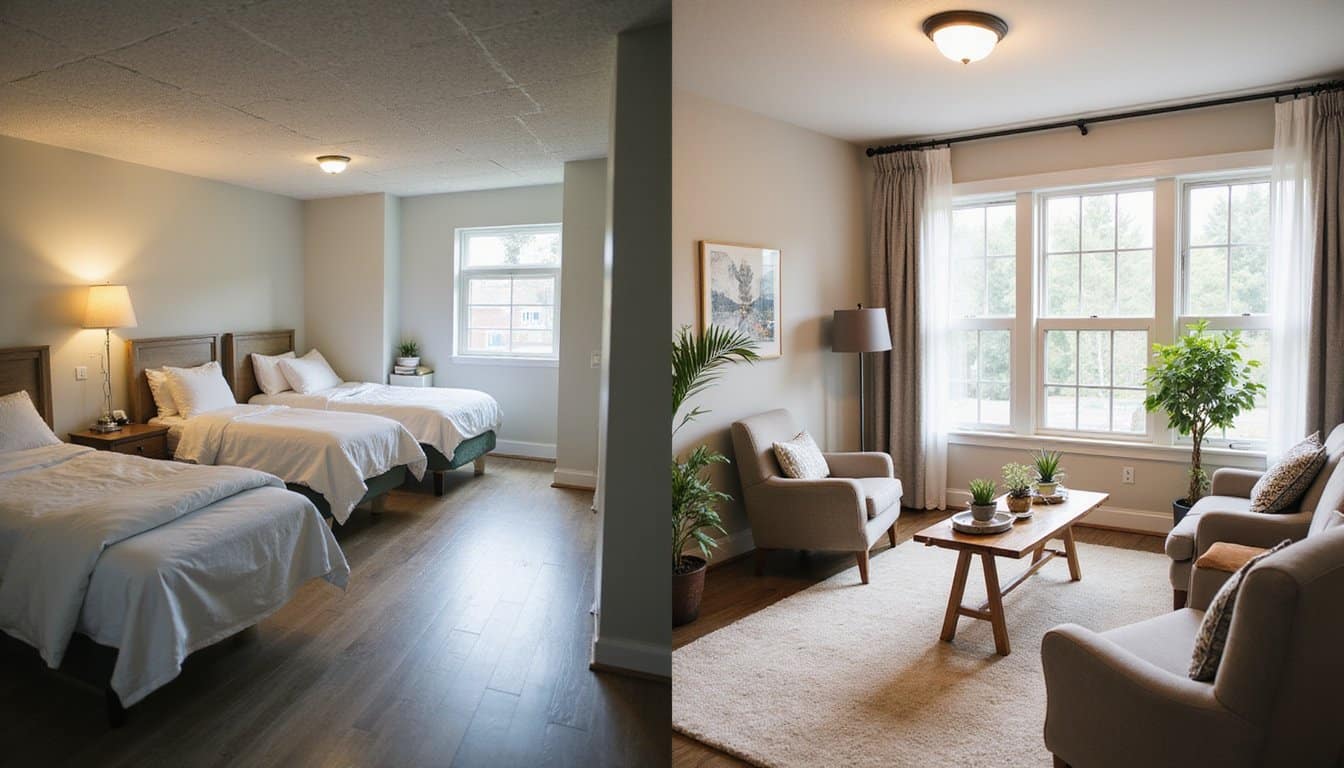
While both rehabilitation centers and sober living homes support addiction recovery, they differ considerably in their fundamental approach to structure and supervision.
In rehab, you’ll experience external structure through highly regimented schedules, mandatory therapy sessions, and constant professional oversight from clinical staff. Your daily activities, visitors, and outside contact are closely monitored, with frequent drug screenings and immediate staff intervention for rule violations. The environment provides 24/7 care with intensive therapeutic support. Treatment typically requires a commitment of at least 28 days in this structured environment.
Sober living, however, emphasizes internal structure and self-directed oversight. You’ll maintain personal responsibilities while adhering to basic house rules, often enforced by peers or house managers rather than medical professionals. You’re free to work, study, or engage in outside activities, building independence while remaining accountable to your recovery community through periodic check-ins and random sobriety tests. Research shows that certified sober homes have impressive success rates, with over 61% of residents maintaining abstinence after six months.
Medical Support vs. Peer-Based Recovery
As you consider treatment options for addiction recovery, understanding the stark contrast between medical support and peer-based recovery becomes essential for making an informed decision. Rehab facilities offer 24/7 medical supervision with licensed professionals who create individualized treatment plans, manage medications, and provide clinical therapy for both addiction and co-occurring disorders. The intensive addiction treatment during rehab establishes the critical foundation needed to overcome substance dependence. These homes provide a structured routine that helps residents maintain sobriety while developing essential life skills. Residents must follow house rules like maintaining strict curfews and participating in regular drug screenings.
In contrast, sober living homes adopt a holistic care approach through peer support and community dynamics. You’ll find less clinical oversight but stronger emphasis on mutual accountability, shared responsibilities, and daily life skills development. While rehab focuses on immediate stabilization with professional medical support, sober living environments help you build long-term recovery skills through peer mentoring and structured independence. Your choice between these options should align with your current stage of recovery and specific needs.
Duration and Treatment Intensity Comparison
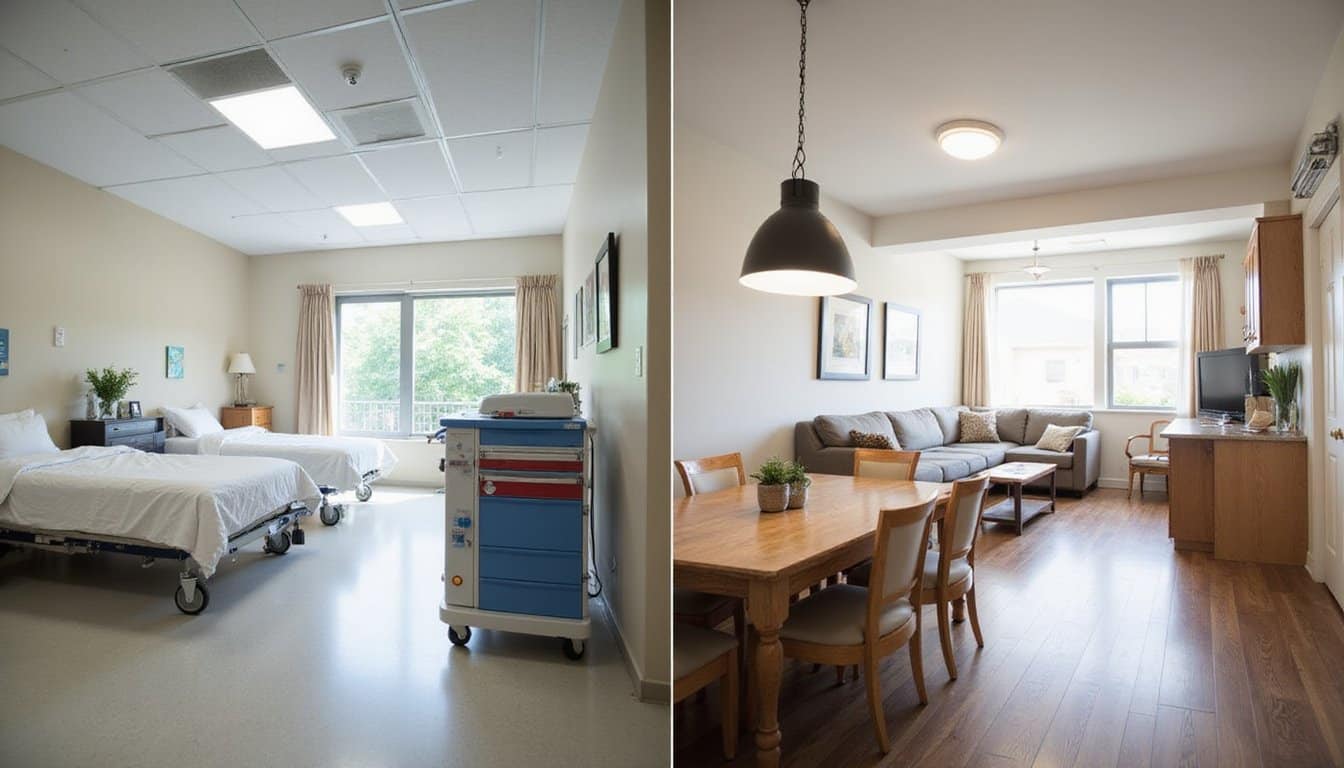
While you’ll find residential rehab programs offering intensive treatment over shorter 30-90 day periods, sober living homes provide extended support averaging 5.5-8+ months of recovery time. You can expect rigorous daily schedules and 24/7 professional supervision in rehab settings, compared to the more flexible, peer-based accountability structure of sober living environments. The shift from rehab’s high-intensity treatment to sober living’s gradual independence allows you to build sustainable recovery skills while maintaining vital support systems. Research demonstrates that individuals who transition through sober living homes after completing inpatient treatment achieve better long-term recovery outcomes. Many treatment centers employ security solutions to protect sensitive patient information and ensure a safe therapeutic environment. Those with co-occurring mental health disorders often benefit from dual diagnosis treatment during their residential rehab stay before transitioning to sober living.
Length of Stay Differences
Since recovery voyages differ markedly between individuals, the duration of stay depicts one of the most conspicuous disparities between rehab and sober living environments. While rehab programs typically follow a structured 30-90 day format, sober living offers more flexibility, allowing you to stay anywhere from 90 days to over a year based on your personal needs and sobriety maintenance goals. These structured, supportive environments help residents develop essential life skills and coping mechanisms during early recovery. To protect client privacy, many facilities employ security solutions that restrict unauthorized website access and protect sensitive recovery information. Studies indicate that 40 to 60 percent of individuals experience relapse during their recovery journey.
Research shows that longer stays in sober living homes, particularly beyond six months, drastically reduce readmission risks and improve long-term recovery outcomes. You’ll find that rehab’s duration is often limited by insurance coverage and medical protocols, whereas sober living lets you progress at your own pace. The median stay in sober living (166-254 days) reflects this extended approach, supporting your gradual move to independent living through peer accountability and community support.
Treatment Intensity Vs Recovery
The intensity of treatment marks a fundamental distinction between rehab and sober living environments. When you’re in rehab, you’ll experience highly structured, intensive care with 24/7 medical supervision and daily therapy sessions. In contrast, sober living offers a more flexible environment focused on setting individualized goals and utilizing peer-based counseling. Research shows that residents who maintain active 12-step group involvement achieve better outcomes in maintaining sobriety.
| Aspect | Rehab | Sober Living |
|---|---|---|
| Supervision | 24/7 Professional Staff | Peer Support System |
| Daily Structure | Rigid Schedule | Flexible Routine |
| Treatment Focus | Intensive Therapy | Life Skills Practice |
| Community Integration | Limited External Contact | Active Community Engagement |
You’ll find rehab essential for severe addiction or recent relapse, while sober living suits your needs better when you’re ready to practice recovery skills in real-world situations. The key difference lies in how each setting prepares you for long-term sobriety through varying levels of support and independence.
Transitional Timeline Effectiveness
How long should your recovery expedition take? While rehab provides an intensive 30-90 day foundation, research shows that longer passages through sober living environments lead to better outcomes. You’ll find that personalized aftercare planning through sober living offers a more gradual path to independence, typically extending beyond 90 days.
Community-based recovery support in sober living allows you to practice real-world coping skills while maintaining a safety net. You’ll progressively gain more autonomy as you demonstrate stability, from initial structured supervision to increased independence. The data confirms that this stepped approach reduces relapse rates compared to direct shifts from rehab to independent living. Your timeline can adapt to your progress, ensuring you’re truly ready for each phase of reintegration. Unlike rehab’s comprehensive treatment programs, sober living homes focus on providing a drug-free environment for residents transitioning back to daily life.
Building Life Skills for Long-Term Success

Building essential life skills during recovery represents a critical difference between sober living environments and traditional rehab programs. In sober living, you’ll develop personal responsibility through practical, real-world experiences rather than intensive clinical treatment.
You’ll engage in holistic wellness activities while managing daily tasks like budgeting, meal preparation, and household maintenance. The environment supports your growth through gradual independence, letting you practice decision-making and problem-solving skills in authentic situations. With less structured supervision than rehab, you’ll learn to balance work, recovery meetings, and personal obligations. Mobile applications help residents stay accountable through progress tracking features.
Success rates show that this approach works; up to 70% of residents maintain sobriety after one year. Through ongoing skill development and peer support, you’ll build the foundation needed for sustainable, independent living.
The Role of Community and Social Support
Community support stands at the heart of successful sober living programs, complementing the life skills developed through daily routines. You’ll find yourself surrounded by peers who share your recovery voyage, creating an environment of mutual understanding and accountability. Through daily interactions and group activities, you’ll develop lasting connections that strengthen your mental health integration and resilience.
Your recovery benefits from both structured and informal support networks. While family support networks remain indispensable, your sober living community provides immediate access to peers who understand your challenges firsthand. You’ll participate in group meetings, social events, and therapeutic activities that combat isolation and build confidence. This comprehensive support system helps you navigate triggers, celebrate milestones, and maintain your commitment to sobriety while progressing toward independent living.
Technology Integration in Recovery Programs
Modern technology has revolutionized addiction recovery, transforming traditional treatment approaches into data-driven, personalized experiences. Through data-driven customization, you’ll find that both rehab and sober living programs now offer AI-powered intervention monitoring that adapts to your unique needs and challenges.
You’ll benefit from wearable devices that track your vital signs and stress levels, while virtual platforms provide 24/7 support through telehealth and online communities. AI-powered intervention monitoring systems analyze your behavioral patterns and trigger risks, enabling immediate response when you need support. Virtual reality tools help you practice coping skills in safe, controlled environments, while integrated health records guarantee seamless coordination between your care providers. These technological advances make recovery support more accessible, responsive, and effective than ever before.
Financial Considerations and Access to Care
While you’ll find significant insurance coverage for inpatient and outpatient rehab programs, most sober living homes require direct out-of-pocket payments since they don’t qualify for traditional healthcare coverage. Your payment options for rehab treatment might include private insurance, Medicaid, or sliding-scale fees, offering more financial flexibility than sober living facilities that typically rely on monthly rent payments and deposits. If you’re considering sober living, you’ll need to investigate alternative funding sources like recovery grants, nonprofit assistance programs, or payment plans offered by individual homes to make the experience more financially accessible.
Insurance Coverage Differences
Three major distinctions shape the insurance terrain between sober living homes and rehabilitation centers in 2025. Initially, while rehab facilities receive coverage as medical treatment providers, insurers categorize sober living as housing, leaving residents to pay out-of-pocket. Second, your treatment location flexibility becomes limited, as insurance typically covers clinical services in rehab settings but excludes sober living environments unless they’re integrated with outpatient programs. Third, out-of-network provider status profoundly impacts your ability to receive reimbursement, particularly in sober living situations.
You’ll find that insurance covers substantial portions of rehab costs, including therapy and medication, but rarely extends to sober living expenses. When seeking recovery support, you’ll need to verify coverage specifics, as state regulations and individual policies create varying levels of accessibility.
Payment Options Available
Understanding your payment options becomes essential when comparing sober living homes and rehabilitation facilities in 2025. While rehab typically requires substantial upfront payments, sober living offers more flexible month-to-month arrangements. You’ll find diverse ways to make either option more affordable through government funding options and scholarship eligibility programs.
- Monthly payments for sober living range from $300-$2,000, with extra costs for utilities, food, and transportation
- Sliding scale fees based on your income may reduce basic costs at many sober living facilities
- Private grants and nonprofit scholarships can help offset expenses for both treatment alternatives
- Rehab centers often require lump-sum payments of $2,000-$25,000 per month
- Payment plans might be available, though they’re more common in sober living settings than in residential rehab programs.
Transitioning From Clinical Care to Independent Living
Making the shift from clinical rehabilitation to independent living represents a critical juncture in addiction recovery. Through proper aftercare coordination, you’ll find that sober living homes offer a vital bridge between intensive treatment and complete independence.
While rehab provides 24/7 clinical supervision and structured therapy, transitional housing options allow you to practice real-world recovery skills with greater freedom. You’ll maintain sobriety in a substance-free environment while gradually taking on more responsibilities. Instead of constant medical oversight, you’ll experience peer accountability and community support.
This stepped approach helps you build confidence as you reintegrate into daily life. You’ll develop essential life skills, from financial management to trigger navigation, while still having access to support when needed. The longer duration of sober living ensures you’re fully prepared before returning to complete independence.
Frequently Asked Questions
Can Family Members Visit During Sober Living or Rehab Programs?
Yes, you can receive family visits in both settings, but the rules differ. In rehab, you’ll have supervised family visits during strict weekly visitation schedules, often linked to family therapy sessions. Sober living offers more flexible visiting options once you’re established in the house. Your family members must stay sober and follow facility guidelines in both environments. Remember, these visits play a crucial role in building your support system for long-term recovery.
What Happens if Someone Relapses While in Sober Living?
If you relapse in sober living, you’ll face immediate intervention strategies, including an assessment of your situation and potential temporary suspension of privileges. Some homes may require you to leave, while others offer structured support and second chances. You’ll likely need supplementary treatment, increased therapy sessions, and revised sober living aftercare planning. The house might require you to attend intensive outpatient programs or relapse prevention workshops before considering reintegration into the community.
Are There Gender-Specific Sober Living Homes and Rehabilitation Centers?
Yes, you’ll find many gender-specific sober living homes and rehabilitation centers available. These facilities offer specialized staff training in gender-specific recovery needs and trauma-informed care. They’re designed to provide safe, comfortable environments where you can focus on healing alongside peers who share similar experiences. Women’s facilities often address unique challenges like pregnancy or domestic violence, while men’s programs may emphasize anger management and masculine identity in recovery.
Do Sober Living Homes Allow Prescription Medications for Mental Health Conditions?
Yes, you’ll find that most sober living homes allow prescribed mental health medications, but they follow strict medication regulations for safety. You’ll need to disclose all prescriptions and provide documentation from your healthcare provider. The home will implement prescription monitoring protocols, including secure storage and regular checks. While some homes may have restrictions on certain medications with abuse potential, they’re legally required to accommodate residents who need prescribed mental health medications.
Can Couples Attend the Same Sober Living Facility Together?
While some sober living homes do accept couples, policies vary widely by facility. You’ll find that many homes require separate sleeping quarters and carefully structured communal living arrangements to maintain a balanced recovery environment. If you’re seeking admission as a couple, expect detailed assessments of your relationship dynamics and shared responsibilities. Some facilities may offer specialized couples programming, but others prohibit joint stays to prevent potential enabling or codependency issues.