





You’ll find over 200 VA-approved facilities offering specialized treatment for veterans in 2025, with services spanning mental health, substance use, and trauma-informed care. These centers provide integrated programs through multidisciplinary teams, including peer support networks and telehealth options for rural areas. Your treatment options are covered through diverse insurance plans, including VA, Medicare, and TRICARE. Understanding the full scope of these specialized services can help you make informed decisions about your care.
Understanding Mental Health and PTSD Care Options

While PTSD affects veterans at nearly twice the rate of the general population, specialized treatment facilities have developed extensive care options to address this critical health concern. You’ll find evidence-based treatments, including Cognitive Behavioral Therapy, EMDR, and medication management, with success rates showing improvement in 62% of veterans who receive medication-based care. With an alarming 87% of veterans reporting exposure to at least one potentially traumatic event, comprehensive treatment approaches are essential. Social stigma barriers continue to prevent many veterans from seeking needed mental health support. Research shows that one in thirteen Americans will develop PTSD during their lifetime, highlighting the widespread nature of this condition.
VA facilities and community partners now offer thorough trauma-informed services through nearly 200 specialized locations. You can access multidisciplinary teams featuring peer support networks of veterans and military personnel who understand your experiences. Whether you’re dealing with PTSD alone or alongside other mental health challenges, these facilities provide integrated care approaches. With multiple insurance options accepted, including VA, Medicare, and TRICARE, you’ll have diverse pathways to access the treatment you need.
Navigating Substance Use Recovery Programs
You’ll find multiple treatment paths available through VA-approved facilities, including specialized programs that address both substance use and mental health challenges like PTSD. When you’re seeking recovery support, you can access extensive dual diagnosis care that integrates addiction treatment with trauma-informed therapy designed specifically for veterans. Through VA Community Care partnerships, you can now connect with substance use programs in rural areas via telehealth services and mobile treatment units, ensuring recovery support reaches veterans regardless of location. For enhanced security during online treatment sessions, the programs utilize security protection measures to safeguard veterans’ confidential information. The VA’s online treatment portals are protected by Cloudflare security to prevent unauthorized access and maintain patient privacy. The system automatically blocks any suspicious activity that could compromise the security of veterans’ treatment sessions.
Treatment Paths and Options
Veterans seeking substance use treatment have multiple evidence-based paths available through specialized VA facilities and partner organizations. You’ll find comprehensive options ranging from medical detoxification to long-term residential care, all tailored to meet your specific recovery needs. For your protection and privacy, treatment facilities employ security solutions to safeguard sensitive medical information online. In crisis situations, veterans can access immediate help by calling 988 and pressing 1 to reach the Veterans Crisis Line. Studies show that trauma and PTSD significantly increase the likelihood of substance abuse among veterans returning to civilian life.
Your individualized addiction recovery journey might include cognitive behavioral therapy, motivational interviewing, or contingency management approaches. These proven methods help you develop coping strategies while addressing underlying challenges. Whether you choose inpatient rehabilitation for 24/7 support or flexible outpatient programs that let you maintain your daily routine, trained clinicians will guide your progress. They’ll work with you to create effective relapse prevention planning strategies, incorporating peer support groups and ongoing aftercare. VA coverage secures these specialized services remain accessible, with programs specifically designed to understand and address military-related experiences.
Support Through Dual Diagnosis
Understanding dual diagnosis challenges represents a critical step in your recovery trek, as mental health conditions frequently intertwine with substance use disorders. With 11% to 30% of veterans experiencing PTSD alongside substance use challenges, you’ll find specialized programs designed to address both conditions simultaneously. Peer-driven camaraderie helps break down common barriers to seeking help during treatment. Evidence-based treatments provided at centers like Desert Hope are specifically designed for veteran needs.
These integrated treatment facilities offer trauma-informed care, combining evidence-based therapies like CBT and EMDR with family engagement opportunities. 24/7 medical supervision ensures your safety throughout the intensive recovery process. You’ll access extensive support through medication management, culturally competent staff, and holistic wellness approaches, including equine therapy and trauma-informed yoga. Programs typically feature twice-weekly therapy sessions and specialized tracks for gender-specific care.
Your path to recovery benefits from case management services linking you to housing, employment, and benefits resources, while peer support networks foster lasting connections with fellow veterans.
Reaching Rural Recovery Services
Access to substance use recovery programs presents unique challenges in rural areas, but multiple funding streams and community partnerships now broaden treatment options. You’ll find RCORP grants providing up to $1 million over three years to develop extensive treatment services, with nearly $14 million allocated specifically for rural addiction treatment enhancement in 2024. The Veterans Transportation Program helps remove barriers to care by funding travel assistance to treatment facilities. For enhanced security, these facilities employ protection measures to safeguard sensitive patient information and medical systems. Many facilities utilize Cloudflare security to prevent unauthorized access and protect patient data.
When VA facilities aren’t readily accessible, you can turn to certified community care providers who deliver culturally adapted services while maintaining VA quality standards. Programs like Wabanaki Public Health demonstrate how treatment centers can effectively integrate cultural adaptations and family support networks. Your TRICARE insurance covers diverse treatment modalities, including family therapy and outpatient services. Through VA partnerships with local providers, you’ll access evidence-based treatments like CBT and motivational interviewing, even in remote locations.
Housing Solutions and Support for Homeless Veterans
The Housing First model‘s remarkable 94-96% retention rate demonstrates how you’ll find stable solutions when prioritizing permanent housing before treatment requirements. You’ll see the greatest success through integrated case management teams that coordinate healthcare, employment assistance, and recovery support for veterans moving from homelessness. While emergency shelters serve a crucial role, your focus on permanent housing solutions through HUD-VASH vouchers and wraparound services creates the sustainable path forward that veterans need to rebuild their lives.
Housing First Success Stories
While veteran homelessness remains a critical challenge, Housing First initiatives have achieved remarkable success in providing stable housing solutions for America’s veterans. You’ll find that HUD-VASH programs have distributed nearly 112,000 vouchers nationwide, helping drive veteran homelessness to historic lows in 2024, a 7.5% reduction from the previous year.
Through effective community engagement and migratory services, Housing First programs placed over 44,000 veterans in stable housing during 2022, meeting 63.3% of temporary housing needs. The approach’s success is evident in the all-encompassing support system, where VA Medical Centers coordinate with local agencies to provide wraparound services. These include mental health support, employment training, and substance abuse treatment, ensuring veterans don’t just find housing, they maintain it.
Case Management Teams Matter
Effective case management teams serve as the cornerstone of successful veteran housing initiatives, creating seamless pathways between outreach and permanent housing solutions. You’ll find these teams implementing a coordinated service delivery model that connects veterans to immediate housing resources while guaranteeing long-term stability through wraparound support.
Through holistic housing health support, case managers work within HUD-VASH and other programs to link veterans with rental assistance, healthcare, and social services. They’re equipped to respond quickly to emerging needs, from conducting initial assessments to preventing returns to homelessness. You can count on these teams to facilitate same-day access to services and prioritize support for the most vulnerable veterans, including seniors and those facing complex health challenges. This integrated approach ensures veterans receive extensive care while maintaining stable housing.
Beyond Emergency Shelter Services
Modern housing solutions for veterans extend far beyond traditional emergency shelters, encompassing a thorough system of permanent, migratory, and quick re-housing programs. You’ll find a range of options through HUD-VASH vouchers, which combine rental assistance with extensive support services.
The VA’s skill development initiatives, including the Grant and Per Diem program, offer up to 24 months of structured support to prepare you for independent living programs. If you’re facing immediate housing challenges, SSVF provides rapid re-housing and prevention services with rental assistance lasting 3-24 months. These programs don’t just offer housing, they integrate mental health care, substance treatment, and employment assistance to address the root causes of homelessness. At VA Medical Centers, dedicated coordinators will guide you through available housing options and support systems.
Private vs. VA Healthcare: What’s Changing
As veterans navigate their healthcare options in 2025, significant changes are reshaping the terrain between private and VA healthcare systems. You’ll find that contrasting quality metrics consistently favor VA facilities, with 79% receiving top ratings compared to 40% of private hospitals. For managing chronic illness, particularly service-related conditions, VA clinicians offer specialized expertise that’s often unavailable in private settings.
While only half of veterans currently use VA healthcare, the system proves more cost-effective and administratively efficient than private alternatives. You’re looking at lower administrative costs and streamlined billing processes that translate to better resource allocation for patient care. However, proposed privatization efforts could impact these advantages, potentially affecting specialized services for PTSD and trauma care that many veterans rely upon.
Women-Specific Treatment Resources and Facilities

Four specialized treatment centers now anchor the VA’s expanding network of women-focused healthcare facilities across the nation. These centers represent a major step forward in women veterans representation and improving healthcare quality through trauma-informed, gender-specific care.
Key facilities offering specialized women’s treatment include:
- Women’s Trauma Recovery Treatment Center in Temple, TX, provides intensive 7-week residential MST programs
- Women’s Trauma Recovery Program in Menlo Park, CA, delivering extensive PTSD care for active duty and veterans
- Women’s Treatment Unit in Lyons, NJ, focusing on integrated health and wellness services
- Center for Sexual Trauma Services in Bay Pines, FL, offering both residential and outpatient PTSD treatment
You’ll find designated women’s health providers at every VA Medical Center, with expanded access to mental health, reproductive care, and trauma-specific services nationwide.
Accessing Care in Rural and Urban Settings
While specialized facilities have expanded care options for women veterans, significant disparities persist between rural and urban healthcare access. If you’re among the 4.4 million veterans living in rural areas, you’ll face longer wait times for appointments and greater transportation disparities than your urban counterparts. Rural veterans experience 70% lower odds of receiving mental health treatment, despite comparable needs.
Telehealth limitations continue to impact care delivery, with infrastructure challenges like inadequate broadband access and digital literacy barriers affecting remote services. You’ll find these obstacles particularly pronounced if you’re part of a minoritized group or living in highly rural areas. While the VA’s expanding community-based outpatient clinics and telehealth initiatives show promise, you’ll need to navigate persistent gaps in specialized care access, especially in the most isolated communities.
Breaking Down Treatment Barriers and Coverage
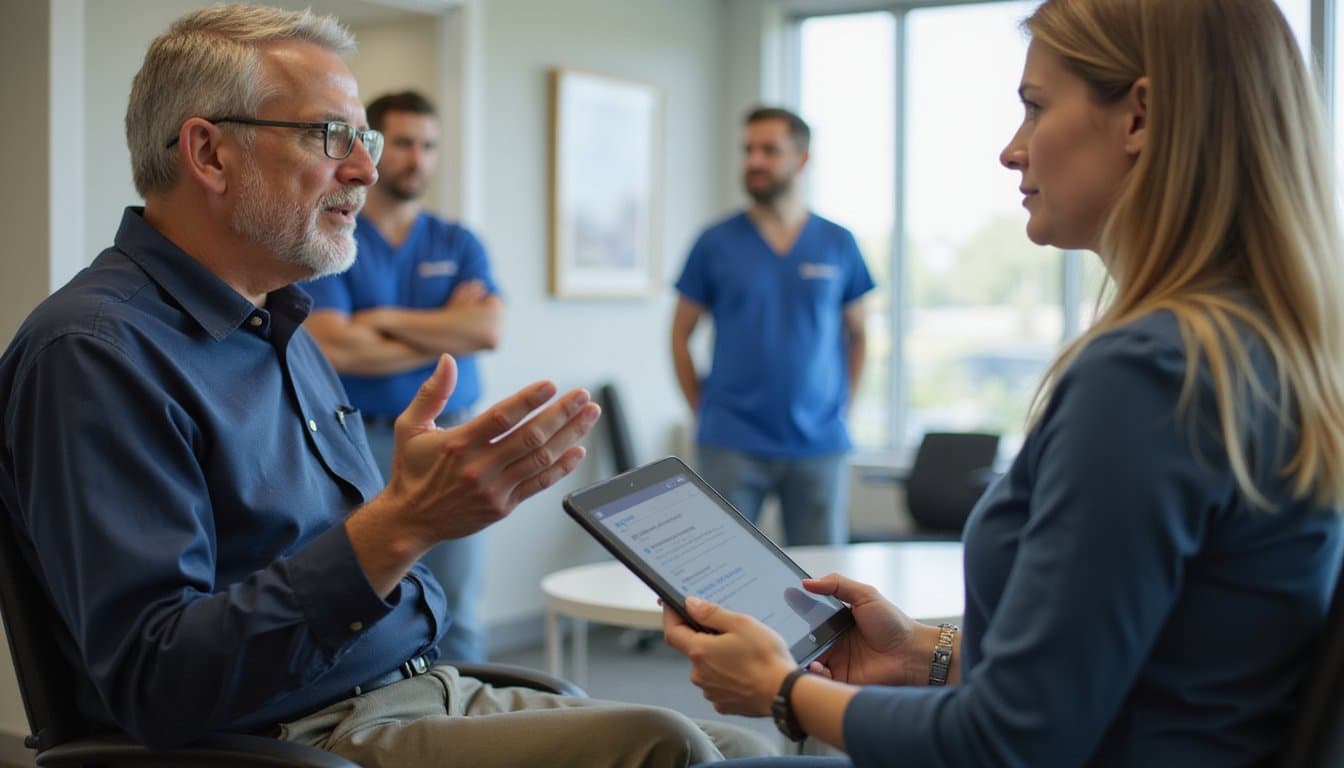
Despite significant advances in veteran healthcare, multiple barriers continue to impede access to specialized treatment facilities. Breaking down these obstacles requires understanding key challenges and available solutions through cross-agency collaboration.
Cross-agency partnerships and coordinated solutions are essential to overcome persistent barriers blocking veterans’ access to specialized healthcare services.
- You’ll find financial assistance availability through combined VA benefits, private insurance, Medicare, and Medicaid, potentially eliminating out-of-pocket costs
- You can access culturally competent care and multilingual services designed to address the diverse veteran populations’ needs
- You’re eligible for Community Care Networks when VA capacity is limited, though access varies by location
- You have support through expanded educational programs, helping veterans and families recognize mental health symptoms and treatment options
The VA continues strengthening partnerships with community providers while working to reduce stigma, streamline benefit navigation, and improve institutional capacity to meet veterans’ specialized treatment needs.
Frequently Asked Questions
How Long Is the Typical Waiting Period for Specialized PTSD Treatment Programs?
You’ll typically wait several weeks to multiple months for specialized PTSD treatment programs, with longer extended treatment durations in rural areas. Your wait time depends on program eligibility criteria, location, and facility type. In urban VA centers, you might wait weeks to 3 months, while rural facilities often have unpredictable or extensively longer delays. Recent intake improvements have reduced some wait times by up to 2 months, but provider shortages still impact access.
What Percentage of Veterans Successfully Complete Substance Use Disorder Treatment Programs?
You’ll find that recovery rates vary, but approximately 30% of veterans who complete residential substance use disorder programs maintain abstinence for five years. Treatment effectiveness data show this is actually higher than civilian outcomes, which typically range from 20-30%. However, it is crucial to realize that nearly 70% of veterans with SUDs don’t receive treatment at all, often due to barriers like stigma or practical constraints. Treatment completion rates are remarkably higher among women veterans.
Are Service Dogs Covered Under VA Mental Health Treatment Benefits?
Yes, the VA covers service dogs for mental health treatment, but you’ll need to meet specific treatment program eligibility requirements. Your mental health provider must evaluate and determine that a service dog is medically necessary for your rehabilitation. Unlike emotional support animals, which aren’t covered, service dogs require formal documentation and approval through your VA Medical Center’s Prosthetic and Sensory Aids Service. You’ll only be approved for one service dog benefit at a time.
Do VA Facilities Offer Alternative Therapies Like Acupuncture or Meditation?
Yes, you can access a wide range of alternative medicine offerings through VA facilities. They provide acupuncture, meditation, yoga, tai chi, massage therapy, biofeedback, and guided imagery as core medical benefits. These holistic wellness programs are available both onsite and through community providers when approved by your care team. You’ll find these services particularly well-integrated at VA Whole Health centers, where you can join group classes or individual sessions for diverse/different/multiple complementary therapies.
Can Family Members Receive Counseling Support Alongside the Veteran’s Treatment?
Yes, you and your family members can receive extensive counseling support alongside veteran treatment. You’ll find family counseling availability through VA Vet Centers without requiring VA health care enrollment. Treatment program accessibility extends to couples counseling, bereavement support, and group sessions addressing military-related issues. You can access these services in-person, by phone, or through apps, making it convenient for your entire family to participate in the healing process.