






Treatment retreats offer a more flexible and personalized path to recovery compared to traditional rehab centers. You’ll find a stronger emphasis on holistic healing that integrates mind, body, and spirit through alternative therapies, while still maintaining medical oversight. Rather than rigid clinical schedules, you’ll experience a home-like environment with nature-integrated healing and customizable programming. Whether you choose a retreat or rehab depends on your specific needs, and understanding the key differences will help guide your decision.
The Holistic Philosophy Behind Treatment Retreats

While traditional addiction treatment often focuses primarily on abstinence, holistic treatment retreats encompass a more all-inclusive “whole person” philosophy that recognizes recovery as an integration of mind, body, and spirit.
In this approach, you’ll experience treatments that address multiple dimensions of healing, including emotional disturbances, spiritual disconnection, and nutritional deficits. Through mindfulness practices, meditation, and alternative therapies, you’ll develop emotional resilience and deeper self-awareness. These retreats encourage you to investigate and understand your emotional triggers and behavioral patterns that may undermine lasting sobriety. The retreats effectively target root causes of addiction through comprehensive healing methods. The integration of traditional and alternative therapies creates a synergistic healing environment that enhances recovery outcomes. The website maintains security measures to ensure confidential and safe access to treatment information.
The whole person integration model places equal emphasis on your physical, emotional, social, spiritual, and intellectual recovery. This extensive framework helps you build a stronger foundation for sustained wellness and creates transformative pathways for lasting change.
Medical Support and Safety Considerations
Because medical safety remains paramount during addiction recovery, treatment facilities maintain thorough medical oversight through qualified healthcare professionals. You’ll find that rehabilitation centers offer 24/7 medical supervision with extensive staff expertise in managing withdrawal symptoms and potential complications. The structured environment helps ensure patients follow prescribed treatment protocols consistently.
While retreats provide therapeutic support, they typically have limited emergency care capacity compared to traditional rehabs. Traditional facilities employ multidisciplinary teams of doctors, nurses, and addiction specialists who can immediately respond to medical emergencies. For after-hours situations, facilities maintain emergency contact centers available around the clock. They’re also equipped to provide medication-assisted treatment using buprenorphine or naltrexone under strict supervision. Many facilities integrate 12-step programs and complementary therapies into their medical treatment plans.
If you’re considering treatment options, understand that accredited rehabilitation centers offer more substantial medical support through Joint Commission or CARF certification, ensuring your safety during detoxification and recovery. Retreats may better suit those with lower medical risk profiles.
Daily Life and Program Structure
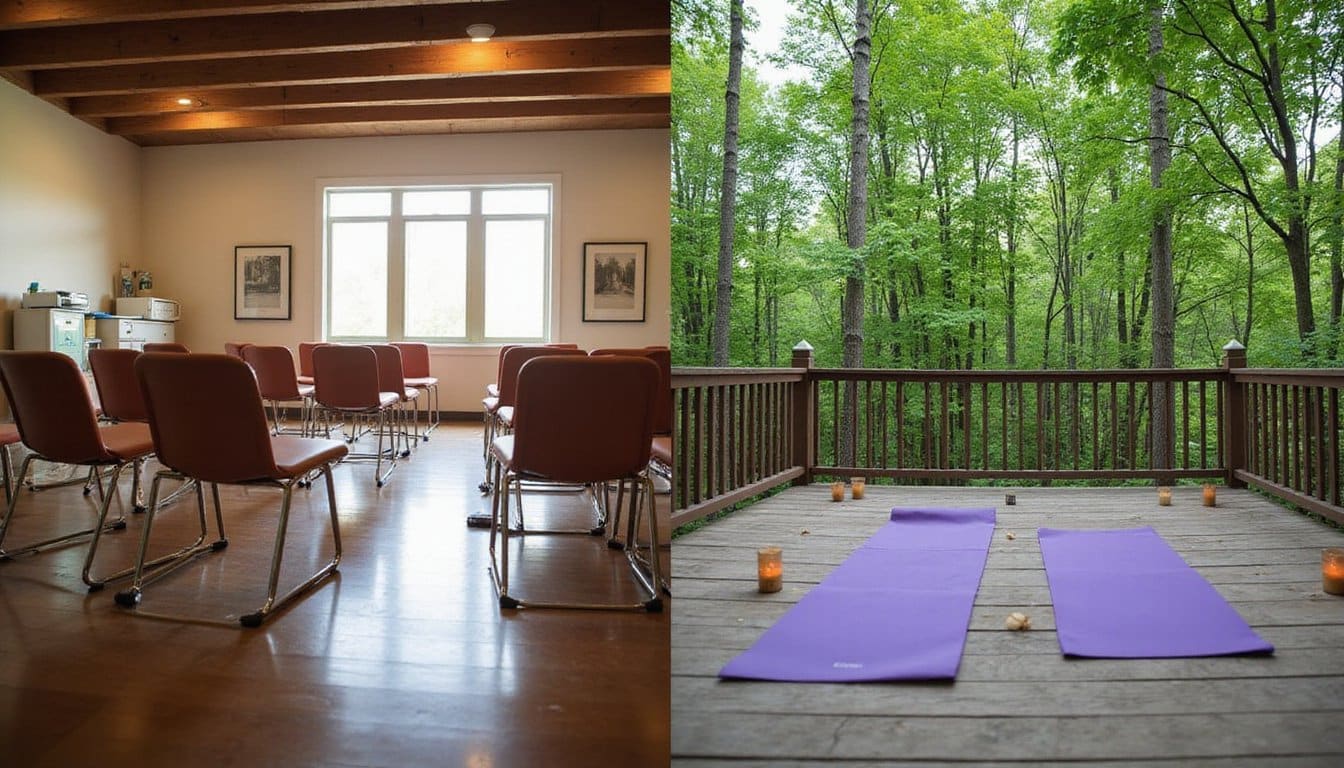
Daily life in rehabilitation centers and treatment retreats follows distinctly different structures to support recovery goals. In rehab, you’ll experience a highly structured schedule with fixed times for therapy, meals, and group sessions, designed to establish stability and prevent relapse. The intensive environment incorporates medical practitioners monitoring patients around the clock. Clinical supervision helps address severe addiction cases requiring comprehensive care. Routine variation is minimal, focusing on accountability and behavioral change through evidence-based treatments like CBT and DBT. Unlike outpatient programs that provide more affordable options, retreats typically require a significant financial investment.
Treatment retreats offer more flexibility, emphasizing experiential learning through wellness activities like yoga and mindfulness. You’ll find less clinical oversight and more self-directed engagement in holistic practices. While rehab maintains 24/7 professional supervision with licensed healthcare staff, retreats employ wellness practitioners who guide you through stress management and personal growth activities. This fundamental difference shapes how each environment approaches recovery support.
Length of Stay and Living Arrangements
Selecting the right length of stay for your recovery expedition depends largely on the severity of your condition and personal circumstances. Length of stay recommendations typically range from 30 days for mild cases to 90+ days for complex situations, with treatment retreats offering flexible durations personalized to your needs. The first 30 days are particularly vital as they allow for an essential physical and mental reset during early recovery. For enhanced security during your stay, facilities employ security solutions to protect sensitive patient information and maintain privacy. A significant part of the recovery journey involves reaching a moment of realization about addiction and committing to positive change.
| Program Type | Living Environment | Suitability Criteria for Stay Duration |
|---|---|---|
| Short-term Rehab | Clinical, Structured | Mild addiction, Strong support system |
| Long-term Rehab | Residential, Community | Severe addiction, Multiple relapses |
| Treatment Retreat | Private, Serene | Seeking customized, holistic care |
Research shows longer stays generally produce better outcomes, especially when the full program is completed. While traditional rehab facilities maintain hospital-like settings, treatment retreats provide home-like environments that support extended recovery periods, offering both privacy and extensive care within a more relaxed atmosphere.
Customizing the Recovery Journey
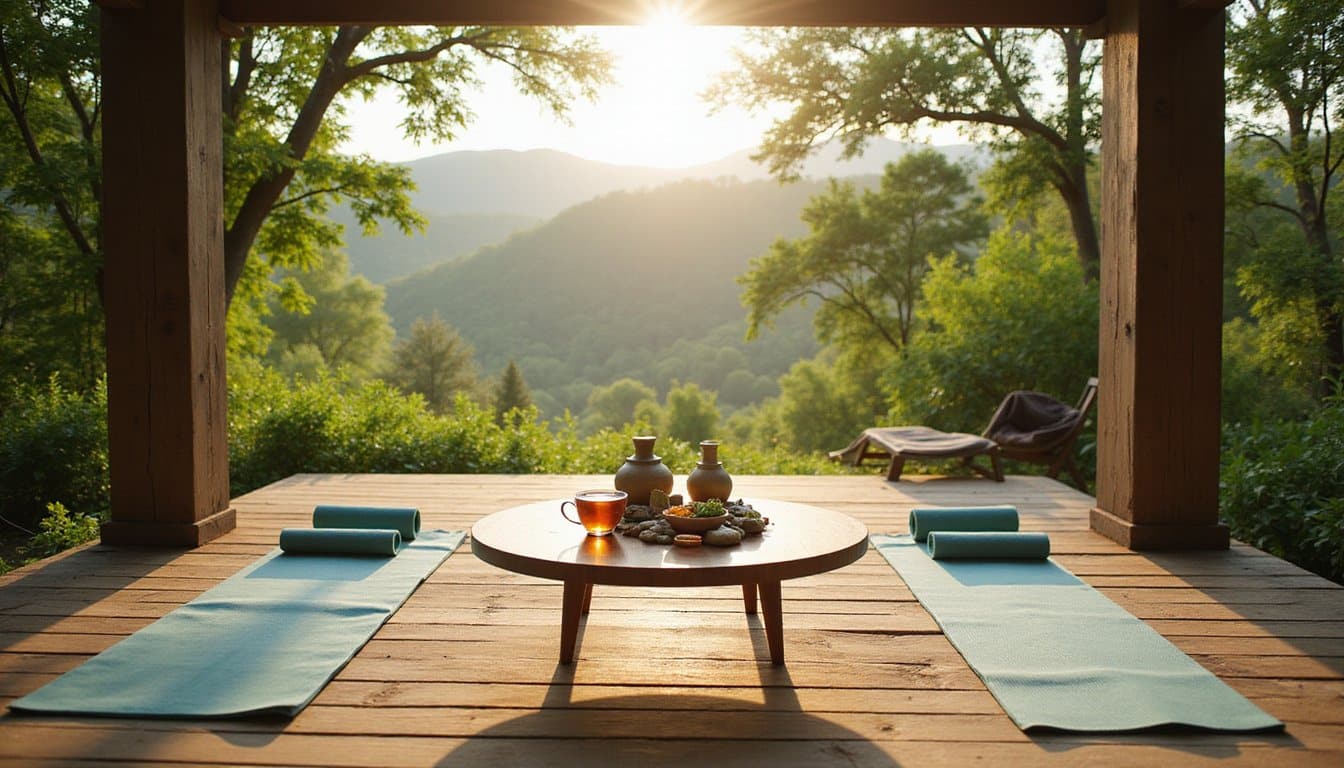
Your unique recovery expedition deserves a treatment plan that adapts to your specific needs and goals. At treatment retreats, you’ll find flexible approaches that combine traditional therapy with holistic practices, allowing you to choose the healing methods that resonate most deeply with you. These programs often incorporate scenic environments to enhance the healing process. Unlike standard rehabilitation programs that follow a structured time-limited format, treatment retreats offer more customizable scheduling options. The centers emphasize evidence-based treatments alongside alternative therapies to provide comprehensive care. You can actively shape your recovery path by selecting from divergent therapeutic modalities, wellness activities, and personal development tools that align with your vision for lasting change.
Individual-Led Healing Paths
While traditional treatment programs offer structured approaches to recovery, research increasingly supports the effectiveness of personalized healing paths that adapt to individual needs and circumstances. You’ll find that a personalized recovery journey may include combining multiple approaches, from mutual aid groups and faith-based practices to cultural traditions and bodywork therapies.
Data shows you’re more likely to succeed when you can select and blend diverse recovery modalities that resonate with your situation. Peer support dramatically improves your chances of completing detoxification (88% versus 74%) and achieving short-term abstinence. You’ll benefit from the flexibility to adjust your approach as needed, incorporating both clinical and non-clinical resources. This individual-led path allows you to align your recovery with your personal strengths, cultural values, and life circumstances.
Flexible Treatment Approaches
As treatment paradigms evolve, flexible recovery approaches have emerged as powerful tools for customizing your healing expedition. Treatment retreats offer adaptive treatment modalities that can be personalized to your unique needs, combining traditional therapies like CBT with holistic practices such as meditation and equine therapy.
Your individualized care plans can shift and adapt based on your progress, allowing for seamless integration of medication-assisted treatment with behavioral interventions when needed. You’ll find diverse environmental settings that match your preferences, from nature-based locations to luxury facilities, each offering varying levels of structure and autonomy. Treatment teams regularly review and adjust your program, ensuring the intensity and duration of sessions align with your recovery goals. This flexibility extends beyond your retreat stay through comprehensive aftercare planning and ongoing support resources.
Creating a Healing Environment
When you’re seeking recovery, your physical environment plays an essential role in your healing journey, with research showing that natural settings substantially reduce stress hormones and promote mindfulness. You’ll find that treatment retreats strategically utilize remote, natural locations to create distance from urban triggers while fostering an atmosphere conducive to self-reflection and personal growth. Unlike traditional clinical settings, these nature-integrated environments offer you a non-institutional approach to recovery, combining the therapeutic benefits of natural surroundings with comfortable, home-like spaces that support your emotional and psychological well-being.
Nature’s Role in Recovery
Through decades of research and clinical observation, nature has emerged as a powerful catalyst in addiction recovery and healing. Nature’s calming effects are well-documented, with just 30 minutes of outdoor exposure reducing depression rates by 7-9% while lowering cortisol, heart rate, and blood pressure. You’ll find that therapeutic outdoor programs consistently demonstrate superior outcomes compared to indoor-only treatment.
When you participate in nature-based activities, you’re accessing a powerful combination of benefits. Studies show that nature walks enormously reduce substance cravings compared to urban environments, while group outdoor activities build vital social connections. The evidence is compelling: patients in nature-based interventions experience a 31% relapse rate versus 58% in standard programs. These remarkable outcomes stem from nature’s unique ability to promote physical health, emotional well-being, and lasting recovery.
Comfort Versus Clinical Settings
While the path to recovery demands evidence-based treatment, the environment where healing takes place can significantly impact outcomes. You’ll find distinct differences between comfort-focused retreats and clinical settings, each serving unique recovery needs.
Retreats offer personalized relaxation through private accommodations, customized amenities, and spa-like atmospheres that can reduce anxiety and bolster treatment engagement. You’ll experience flexible schedules, gourmet meals, and therapeutic features like yoga and meditation in a home-away-from-home setting.
In contrast, clinical facilities prioritize medical oversight with 24/7 supervision, shared rooms, and structured routines. While these settings excel at managing acute cases and providing intensive interventions, they focus less on environmental comfort and more on standardized protocols. Your choice between these options should align with your medical needs and recovery goals.
Understanding Treatment Costs and Access
Since seeking treatment marks a pivotal step in the direction of recovery, understanding the associated costs and accessibility options becomes essential for making informed decisions. You’ll find substantial cost variations between treatment settings, with standard programs ranging from $5,000 to $20,000 monthly, while luxury facilities can exceed $100,000.
When exploring affordable treatment options, consider:
- Outpatient programs, which cost $1,400-$10,000 monthly and offer the best cost-effectiveness per successful case
- Traditional rehab centers that typically work with coverage from insurance
- Public facilities that provide extended care at reduced rates, sometimes as low as $8,000
The treatment modality you choose dramatically impacts costs, with outpatient drug-free treatment averaging $6,300 per successful case compared to $15,600 for inpatient care. Your insurance coverage and the chosen facility’s location will also influence your final expenses.
The Role of Nature and Alternative Therapies
Nature’s healing power can markedly boost your recovery course, with studies showing that just 30 minutes in natural settings reduces depression rates by 7-9% while regulating vital neurotransmitters. You’ll find that treatment retreats often combine outdoor environments with mind-body practices like meditation and horticultural therapy, creating an all-encompassing approach that addresses both physical and emotional healing. These nature-based interventions have proven particularly effective, with research demonstrating a dramatic reduction in relapse rates, 31% compared to 58% in traditional settings, when you incorporate outdoor therapeutic activities into your recovery program.
Natural Healing Environments
Compelling evidence demonstrates that natural healing environments play a pivotal role in addiction recovery and treatment outcomes. When you’re immersed in eco-friendly design and wilderness experiences, you’ll benefit from significant reductions in cravings and improved emotional well-being. Research shows that exposure to natural settings for just 30 minutes can decrease depression rates by 7-9%.
Natural environments support your recovery through:
- Amplified mood regulation via increased serotonin and dopamine levels
- Reduced stress and improved attention span compared to urban settings
- Greater sense of accomplishment and psychological flexibility
Views of green spaces, even from your treatment facility window, can reduce craving intensity. Studies reveal that nature-based interventions result in substantially lower relapse rates, 31% compared to 58% in traditional settings over ten months.
Mind-Body Connection Activities
Building on the healing power of natural environments, specialized mind-body activities strengthen your path to recovery through evidence-based alternative therapies. You’ll experience increased serotonin production and improved attention focus through strategic combinations of nature exposure and alternative treatments.
| Activity | Physical Benefit | Mental Benefit |
|---|---|---|
| Yoga | Autonomic Balance | Reduced Anxiety |
| Meditation | Lower Cortisol | Emotional Regulation |
| Nature Walks | Dopamine Release | Decreased Depression |
| Art Therapy | Stress Reduction | Trauma Processing |
| Music Sessions | Physical Relaxation | Craving Management |
These evidence-based practices help you develop sustainable coping strategies while addressing both psychological and physiological aspects of addiction. When combined with outdoor settings, these activities amplify your body’s natural healing mechanisms, teaching you to recognize and manage triggers more effectively. You’ll gain practical tools for long-term recovery success through these integrated mind-body approaches.
Building Long-Term Recovery Skills
Successfully establishing long-term recovery skills requires an extensive, structured approach that extends far beyond initial treatment. Through peer-led programs and family involvement, you’ll develop essential capabilities that support sustained sobriety. Treatment retreats focus on sweeping skill-building through:
- Life skills education, including communication, budgeting, and job readiness
- Emotional regulation and stress management techniques
- Community integration and social support development
You’ll learn to navigate daily challenges through structured routines and activities that reinforce recovery-oriented behaviors. The combination of therapeutic communities, mindfulness practices, and practical skill development boosts your resilience against relapse triggers. Regular participation in support groups and ongoing access to mentorship opportunities help maintain your recovery momentum while building confidence in your ability to manage life’s challenges independently.
Finding the Right Recovery Path for You
While mastering recovery skills constitutes the foundation of lasting sobriety, selecting the right treatment path determines how effectively you’ll develop these capabilities.
Consider your ongoing assistance needs carefully. If you’re struggling with active addiction or co-occurring mental health conditions, you’ll benefit from rehab’s 24/7 medical supervision and evidence-based therapies. The structured environment and clinical expertise can provide the intensive support needed for sustainable recovery.
However, if you’re seeking lifestyle adjustments and personal growth without acute substance use concerns, a retreat setting might align better with your goals. You’ll find holistic practices and wellness activities in a less clinical environment. Recall that insurance typically covers rehab programs, while you’ll need to self-fund retreat experiences. Your choice should reflect both your clinical requirements and personal readiness for change.
Frequently Asked Questions
Can Family Members Visit During Treatment Retreat Stays?
Yes, you can typically receive family visits during treatment retreat stays, though policies vary by facility. You’ll find that most retreats offer a supervised visitation schedule and extensive family involvement opportunities. These may include structured therapy sessions, educational workshops, and healing activities with your loved ones. While some retreats restrict visits during initial adjustment periods, they generally encourage family participation as part of your recovery process when therapeutically appropriate.
What Percentage of People Maintain Sobriety After Completing Treatment Retreats?
Research shows you’ll have approximately a 70% chance of maintaining sobriety after completing a treatment retreat program. This success rate is markedly higher than traditional rehab’s 16-20% average. You’re most likely to maintain these positive outcomes when you actively engage in relapse prevention strategies and follow your aftercare planning. However, keep in mind that success rates can vary based on factors like length of stay and your level of community engagement.
Are There Age Restrictions for Attending Treatment Retreats?
Yes, treatment retreats typically enforce age restrictions. You’ll need to be at least 18 years old to attend most adult programs, though some specialized youth retreats accept ages 12-17. Your individualized treatment plan and minimum stay duration will be adapted to your age group’s specific needs. While rare exceptions exist for mature minors with parental consent, most retreats maintain strict age policies to guarantee appropriate care, peer support, and legal compliance.
Do Treatment Retreats Offer Follow-Up Support or Alumni Programs?
Yes, you’ll find thorough follow-up support through treatment retreats’ alumni programs. You can expect ongoing peer support through online communities and in-person meetups, along with scheduled check-in calls to monitor your progress. You’ll typically have access to wellness workshops, digital resources, and networking events. Research shows that staying connected through these alumni programs can dramatically reduce your relapse risk and improve your long-term recovery outcomes.
Can Treatment Retreats Accommodate Special Dietary Requirements or Food Allergies?
Yes, you’ll find that most treatment retreats can accommodate your dietary needs through customized meal plans and specialized accommodations. While not as strictly regulated as medical facilities, retreats typically employ experienced chefs and nutritionists who can handle diverse restrictions, from allergies to lifestyle choices. You’ll want to communicate your needs clearly during booking, as facilities vary in their ability to manage severe allergies. Many retreats pride themselves on offering vegan, vegetarian, and allergen-conscious options.